Case study · A URL Shortener · 2025
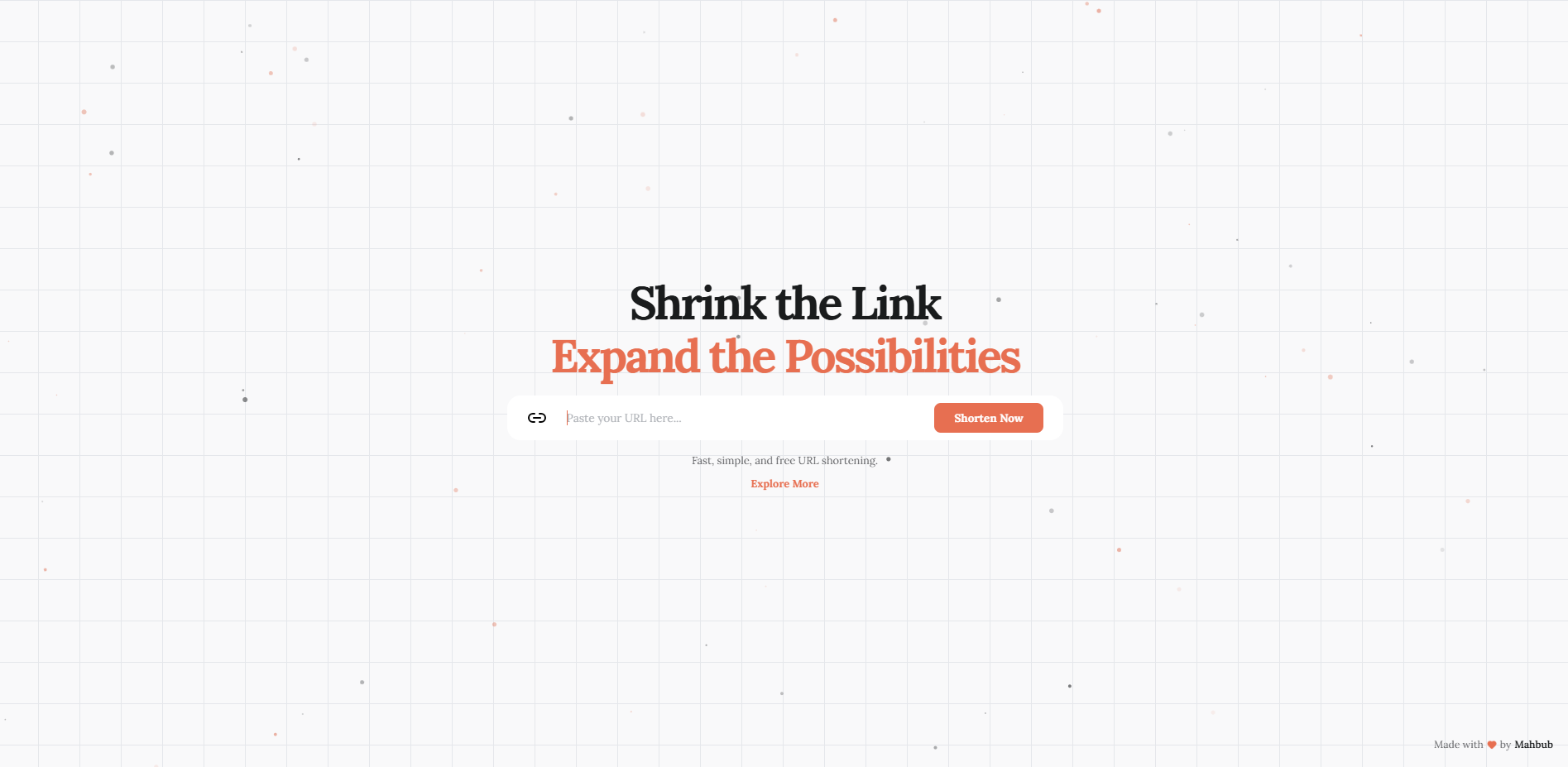
Zippify
Cut redirect latency by 39% with a Redis cache layer.
01
The problem
A URL shortener lives or dies on redirect speed, and a public one has to survive abuse. I set out to build one the way a production service is built: collision-safe short codes, real authentication, rate limiting and measured performance.
02
My role
Built it end to end: React frontend, Express API, PostgreSQL schema, Redis caching and the Vercel + Render deployment.
03
The approach
- Frontend
- React SPA deployed on Vercel with edge rewrites for cross-service routing
- Backend
- Node.js and Express.js REST API deployed on Render with JWT authentication and independently revocable sessions
- Cache
- Redis for cache-aside redirect acceleration and distributed, per-route rate limiting
- Database
- PostgreSQL via Prisma ORM with collision-safe Base62 short-code generation and per-user deduplication
- Base62-encoded URL shortening with collision-safe ID generation, custom aliases, deduplication, expiration, and CRUD management
- Redis cache-aside strategy that reduced redirect latency by 39% (286ms to 176ms) and sustained about 290 req/s at p99 187ms under load tests (autocannon)
- JWT authentication with access and refresh tokens, bcrypt passwords, Resend email verification, password reset, and independently revocable multi-device sessions
- Distributed Redis rate limiting keyed by IP and email for link creation, login, signup, email resend, and password reset
- Independent Vercel and Render deployments with edge rewrites that unify routing and resolve production CORS and route/short-code conflicts
04
The result
- Redirect latency down 39%, from 286ms to 176ms, with a cache-aside Redis layer.
- About 290 requests per second at 187ms with zero errors under 20 concurrent connections (autocannon load test).
- JWT access and refresh tokens with independently revocable multi-device sessions.
- Live in production at zippify.vercel.app.